
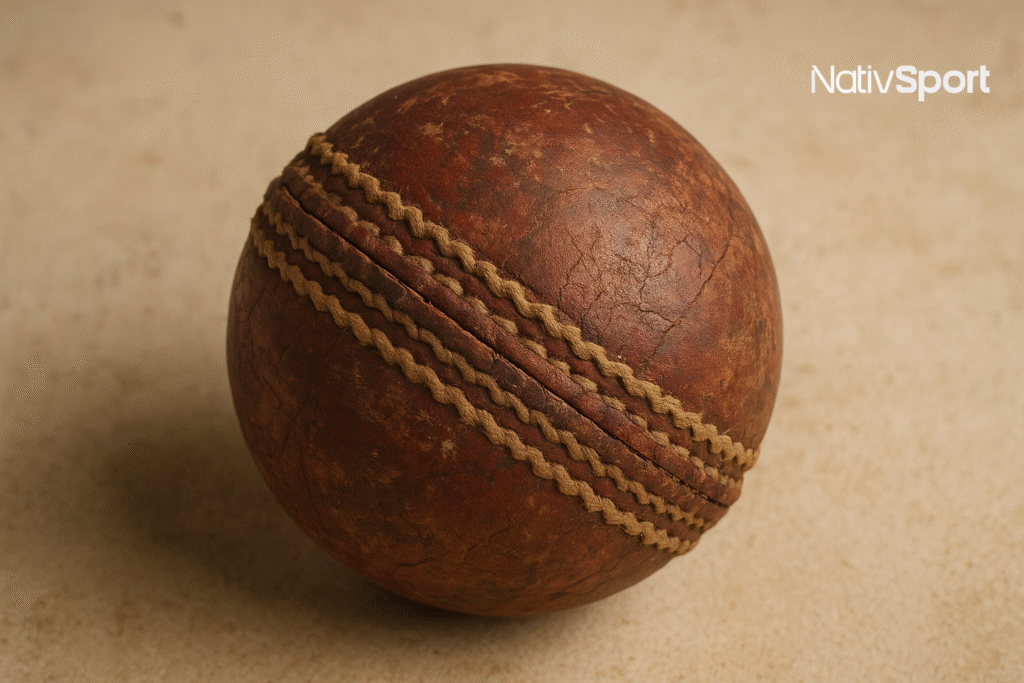
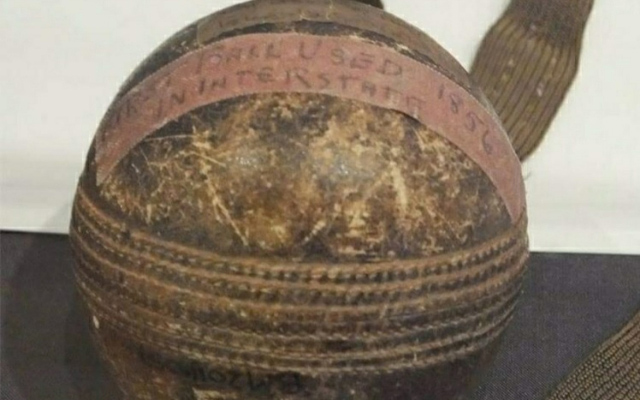
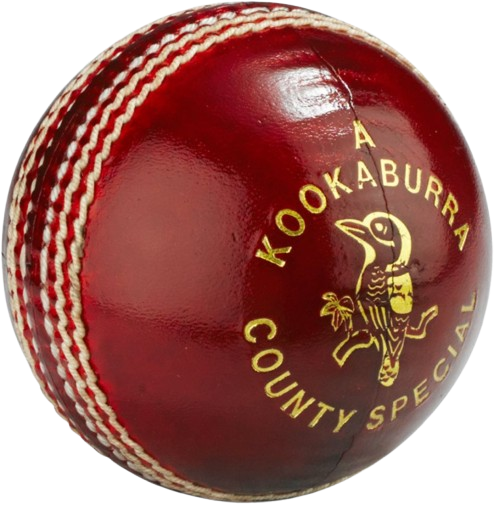


The cricket ball has journeyed through centuries of change—just like the game itself. From rudimentary handmade leather spheres to modern, meticulously engineered balls, its evolution reflects cricket’s growth from a village pastime to a global sport.
Early Beginnings: The 1700s
In the 18th century, cricket balls were crafted by hand using tightly wound cork and string, covered with stitched leather. These early balls varied widely in weight and bounce.
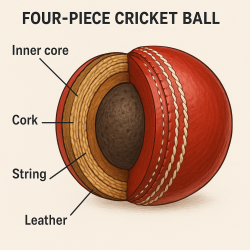
The Rise of the Four-Piece Ball
In the 19th century, the four-piece leather design with prominent seam became standard. It offered consistent bounce and swing, crucial for developing bowling tactics.
Key Changes:
Better leather tanning
Defined seam for swing
Introduction of red dye for visibility
Regional Differences in Ball Design
Different manufacturers in England, Australia, and India began producing region-specific balls:
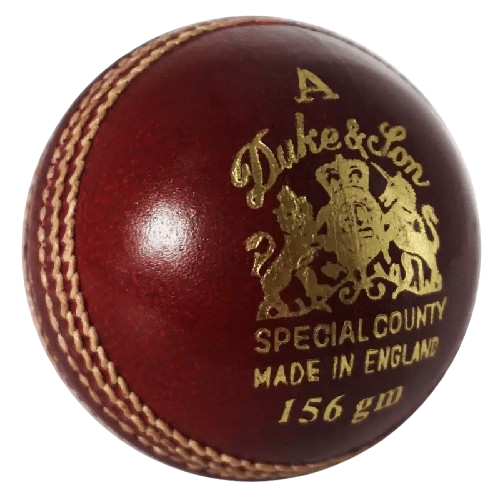
Dukes (UK): pronounced seam, more swing
Kookaburra (AUS): flatter seam, less swing
NativSport (India): hand-stitched, ideal for spin-friendly conditions
Modern Materials & Testing
Today’s balls are engineered for durability and performance. Advances include:
Waterproof coatings
AI-based seam alignment for consistency
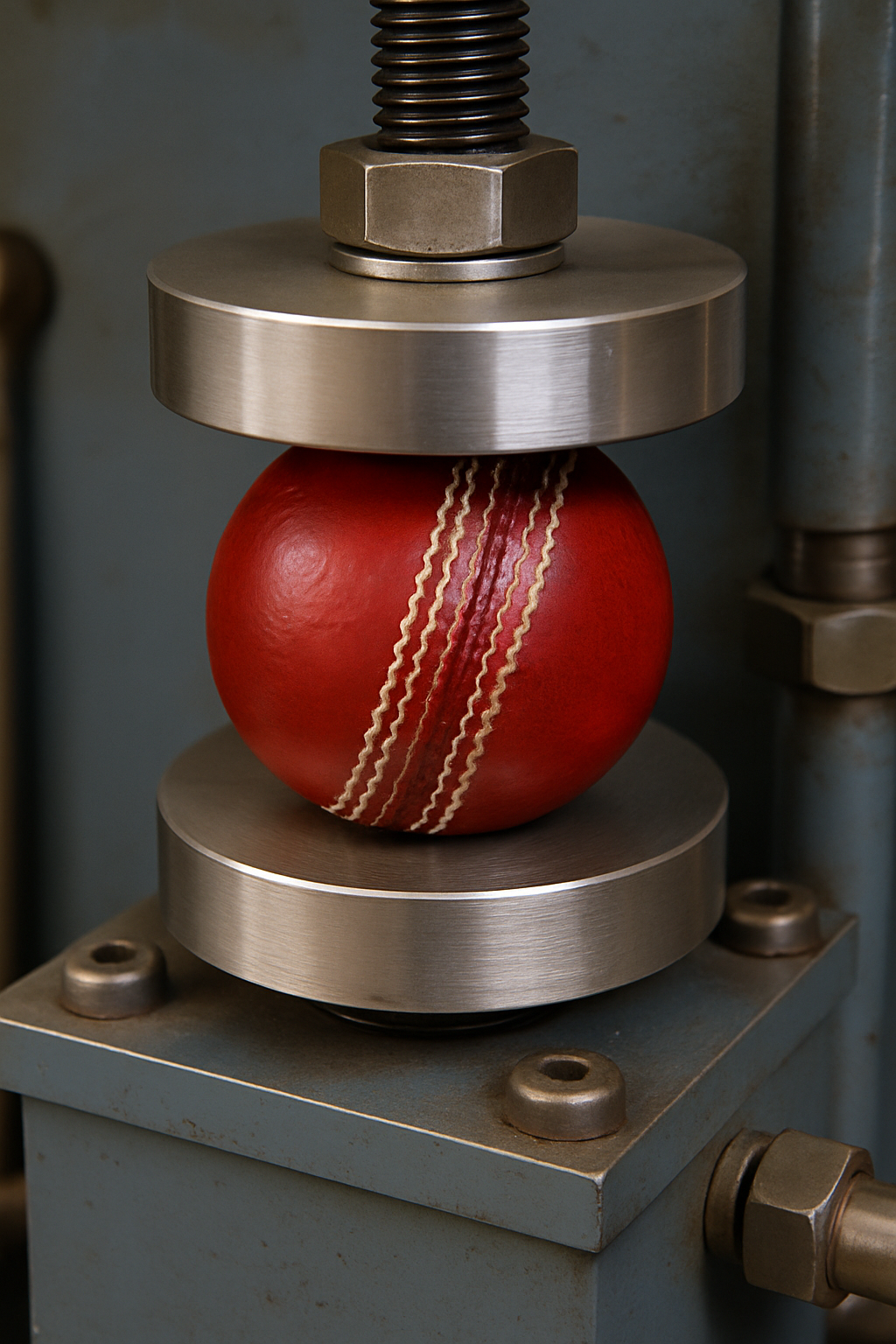
Strict quality control and ball testing (bounce, seam height, roundness)
Ball-Testing Machine
Red Ball vs White Ball vs Pink Ball
Type
Used In
Features
Red Ball
White Ball
Pink Ball
Test Matches
ODIs, T20s
Day-Night Tests
Swings more, lasts longer
Less durable, more visibility under lights
Better visibility + durability under lights
Made in India: The Role of Meerut & Jalandhar
India’s cricket ball manufacturing hubs like Meerutand Jalandharcontribute globally. Brands like SG, SS, and NativSport handcraft thousands of leather balls daily.
Shop Premium Leather Balls
Looking for top-quality leather balls for training or professional play? Browse Our Collection Now – From Test-level to Club quality.
Conclusion
The evolution of the cricket ball is not just a tale of craftsmanship—it’s a reflection of cricket’s dynamic nature. As technology advances, the ball will continue to adapt while staying true to the game’s spirit.