
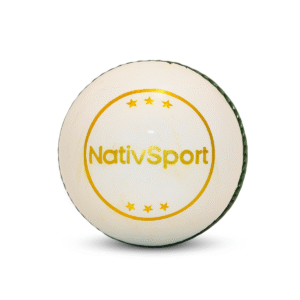
Cricket Leather Ball

Cricket Leather Ball: Everything You Need to Know

Cricket is more than just a sport—it’s a passion that unites millions of fans and players around the world. And at the heart of every cricket match lies one essential piece of equipment: the cricket leather ball.

Whether it’s a professional Test match or a local club game, the quality of the cricket ball plays a huge role in the outcome of the game. In this blog, we’ll dive into the world of balls, their types, how they’re made, and what you should look for when buying one.

What is a Cricket Leather Ball?

A cricket leather ball is a hard, hand-stitched ball made using high-quality alum-tanned leather. Unlike tennis balls or synthetic balls used for casual play, leather balls are designed for professional and competitive cricket.

  • Standard weight: 156–163 grams (men’s cricket)
  • Circumference: 22.4–22.9 cm
  • Core: Made of tightly wound cork and layered with yarn
  • Outer cover: High-quality leather, dyed red or white, and polished for shine.

Types of Cricket Leather Balls

  1. Red Leather Ball
  • Traditionally used in Test matches and longer formats.
  • Offers better durability for swing and seam bowling.
  • Requires regular polishing to maintain shine.
  1. White Leather Ball
  • Used in ODIs and T20 matches.
  • Coated with additional protective layers for night visibility under floodlights.
  • Slightly less durable than red balls.
  1. Pink Leather Ball
  • Introduced for day-night Test matches.
  • Offers better visibility than red balls in artificial light.
  • Manufactured with a different dye and extra lacquer.

How it is Made?

The process of making a cricket ball involves skilled craftsmanship:

  1. Cork Core Preparation – Layers of cork are pressed together tightly.
  2. Winding with Yarn – The cork is wound with fine wool or polyester yarn to form a hard core.
  3. Leather Covering – Four pieces of alum-tanned leather are stitched together by hand.
  4. Polishing & Lacquering – The outer leather is polished to give the ball shine and durability.

Each ball passes through rigorous quality checks to ensure weight, seam, and bounce standards.

White Cricket Leather Ball | NativSport

Choosing the Right Cricket Leather Ball

When buying a cricket leather ball, consider the following:

  • Purpose – Practice, club matches, or professional tournaments.
  • Stitching quality – Hand-stitched balls last longer than machine-stitched.
  • Durability – Match-grade balls are built for extended use.
  • Color – Red for tests, white for limited-overs, pink for day-night games.

 At NativSport, we provide premium cricket leather balls designed for long-lasting performance and consistent bounce.

Tips to Maintain It Like Professional

  1. Always store in a cool, dry place.
  2. Apply a thin layer of ball oil to keep leather supple.
  3. Avoid using on concrete or hard synthetic pitches.
  4. Regularly polish one side during matches to aid swing.

Frequently Asked Questions (FAQs)

Q1. Why is the cricket leather ball red?
Red dye has been traditionally used for Test matches because it’s durable and visible in daylight.

Q2. How long does a cricket leather ball last?
In professional matches, one ball lasts 80–90 overs. For practice, it may last several sessions depending on quality.

Q3. Which is better: hand-stitched or machine-stitched cricket ball?
Hand-stitched balls are stronger, last longer, and provide better seam grip—making them ideal for serious cricket.

Q4. Why is a white cricket ball used in ODIs and T20s?
White balls are more visible under floodlights, making them suitable for day-night and shorter formats.

Final Thoughts

A cricket leather ball is more than just equipment—it’s the centerpiece of every match, shaping the rhythm of play for bowlers and batsmen alike. Choosing the right ball ensures durability, performance, and a true cricketing experience.

👉 Explore our collection of premium red and white cricket leather balls at NativSport and take your game to the next level.

Leave a Comment

Your email address will not be published. Required fields are marked *

Scroll to Top